
Digital Fashion Shows: Transforming Fashion Events
- May 6
- 3 min read
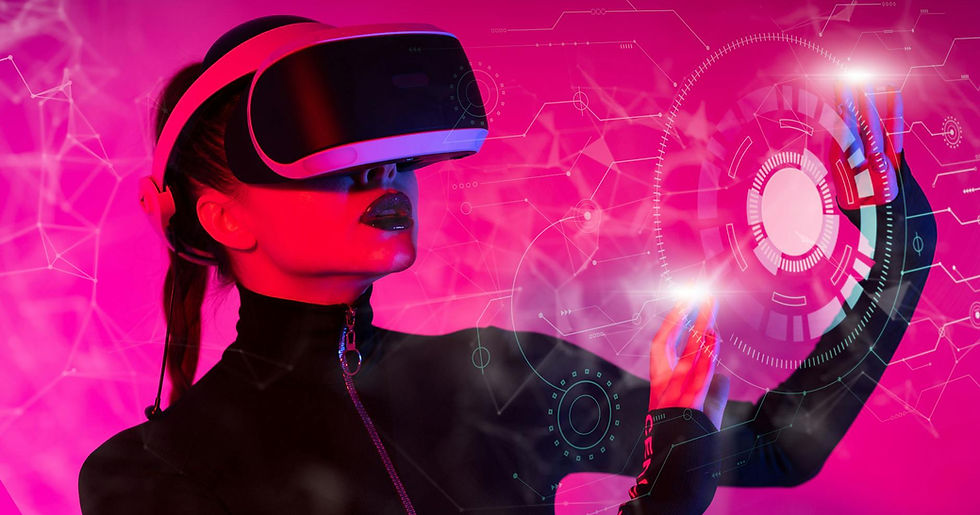
The runway lights dim, and instead of the familiar clatter of heels, there is a digital hum. The fashion industry, long defined by its glamorous and exclusive in-person events, is undergoing a groundbreaking transformation. Digital fashion shows are no longer a futuristic concept; they are the present reality reshaping how we experience fashion. But how did we get here, and what does this mean for the future of fashion events?
The Rise of Digital Fashion Shows
Digital fashion shows have emerged as a direct response to the need for innovation in a world increasingly reliant on technology. The COVID-19 pandemic accelerated this shift, pushing fashion designers to rethink traditional showcases. As physical shows were canceled, designers turned to virtual platforms to present their collections, reaching global audiences without geographical constraints.
Technology Meets Creativity
The fusion of technology and creativity has opened new avenues for designers. Virtual reality (VR) and augmented reality (AR) technologies allow for immersive experiences that transcend the limitations of physical space. Designers can now create fantastical settings that enhance the storytelling of their collections, offering viewers a unique and engaging experience.
Expanding Audience Reach
One of the most significant advantages of digital fashion shows is their ability to reach a broader audience. Traditional fashion shows were often limited to industry insiders and celebrities. In contrast, digital shows democratize access, allowing fashion enthusiasts worldwide to participate. This increased accessibility not only boosts brand visibility but also fosters a more inclusive fashion community.
Case Studies: Successful Implementations of Digital Fashion Shows
Balenciaga's Virtual Reality Experience
In 2021, Balenciaga took a bold step by launching a fully immersive virtual reality fashion show. Utilizing cutting-edge VR technology, the brand created a digital environment that allowed viewers to explore the collection in a 360-degree experience. This innovative approach not only captivated audiences but also set a precedent for future digital shows.
Gucci's AR Fashion Show
Gucci embraced augmented reality by hosting a fashion show where viewers could project the collection onto their surroundings using AR apps. This interactive experience provided a new way for audiences to engage with the brand, allowing them to visualize how the garments would look in real life.
Tommy Hilfiger's Digital Transformation
Tommy Hilfiger has been at the forefront of digital transformation in fashion. By integrating social media platforms and live streaming, the brand has successfully hosted digital shows that engage millions globally. The use of digital tools has allowed Tommy Hilfiger to maintain its relevance and appeal to younger, tech-savvy audiences.
The Impact on Traditional Fashion Events
Redefining Fashion Week
Fashion weeks, once the pinnacle of industry events, are being redefined in the digital era. While physical shows still hold value, digital fashion weeks offer a complementary platform that extends the reach and impact of these events. Cities like Paris and Milan are incorporating digital elements into their traditional schedules, creating hybrid models that blend the best of both worlds.
Cost and Sustainability Benefits
Digital fashion shows offer significant cost savings compared to traditional events. Eliminating the need for physical venues, travel, and logistics reduces expenses and minimizes environmental impact. This shift aligns with the growing demand for sustainability in fashion, offering a greener alternative to traditional showcases.
Challenges and Opportunities in the Digital Landscape
Navigating Technical Challenges
While digital fashion shows offer numerous benefits, they also present technical challenges. Ensuring seamless streaming, maintaining high production quality, and delivering an engaging experience require substantial investment in technology and expertise. Brands must navigate these challenges to deliver successful digital events.
Opportunities for Innovation
The digital landscape offers endless opportunities for innovation. From interactive experiences to virtual try-ons, technology enables designers to push creative boundaries. Brands that embrace these opportunities can differentiate themselves in a competitive market and create memorable experiences for their audiences.
The Future of Fashion Events
Hybrid Models as the New Norm
As the fashion industry continues to evolve, hybrid models combining physical and digital elements are likely to become the norm. These models offer the flexibility to adapt to changing circumstances and cater to diverse audience preferences. By blending in-person experiences with digital engagement, brands can maximize their reach and impact.
Embracing Digital Fashion as a Permanent Fixture
Digital fashion shows are not a temporary trend but a permanent fixture in the industry. As technology continues to advance, digital shows will become more sophisticated, offering even more immersive and interactive experiences. Brands that embrace this shift will be well-positioned to thrive in the digital age.
Conclusion: Embracing the Digital Revolution
The transformation of fashion events through digital shows represents a significant evolution in the industry. By leveraging technology, designers can reach wider audiences, enhance creativity, and promote sustainability. As the digital revolution continues to unfold, fashion brands must embrace this change to remain relevant and competitive. ##


Comments